
Guide
Buying a smartphone in 2026: the jargon-free guide
Spec sheets full of numbers, hundreds of models – this guide shows you which specs really matter when buying a smartphone and which you can ignore.
Updated 7 min readEditorial team wohandy.de
First: what do you use your phone for?
Before comparing models, take an honest look at how you use your phone. Most people make calls, send messages, take photos, navigate, stream music and videos and do their banking. None of that requires a top-of-the-range model. A current mid-range smartphone handles these tasks smoothly, lasts a long time and costs a fraction of a flagship.
Spending more is mainly worth it if you have high demands on the camera – such as zoom, night photos or high-quality video – if you play demanding games, or if you want to use the device for as many years as possible. Flagship models often get updates for longer and age more slowly thanks to their performance reserves.
- Basic use (messaging, browsing, calls): entry-level or mid-range
- Photo and video fans: a flagship with a telephoto lens or last year’s flagship
- Gaming: powerful processor, good cooling, 120 Hz display
- Long-term use: a model with the longest possible update commitment
Processor and RAM
The processor (chip or SoC) determines how quickly apps launch, how smoothly games run and how well photos are processed. On Android, chips mainly come from Qualcomm (Snapdragon), MediaTek (Dimensity, Helio), Samsung (Exynos) and Google (Tensor); Apple uses its own A chips. The names alone say little – a current mid-range chip can be faster than a flagship chip that is several years old. Go by the generation and the manufacturer’s positioning: Snapdragon 8 stands for the flagship class, Snapdragon 7 for the upper mid-range, and Dimensity 8000 and 9000 series chips likewise for the upper mid-range and flagship class.
When it comes to working memory (RAM), 6 to 8 GB is a comfortable amount for Android today, 4 GB the minimum. Be wary of marketing claims on cheap devices: “16 GB RAM” there often consists of a few gigabytes of real RAM plus virtual memory borrowed from internal storage. Virtual RAM is much slower. iPhones get by with less RAM because iOS handles memory differently – so the figure is not a meaningful comparison criterion there.
Storage, display and battery
For internal storage, 128 GB is the sensible minimum. If you film or play a lot, choose 256 GB, especially if the device has no microSD slot – which applies to iPhones, Pixels and current Galaxy S models.
For the display, OLED or AMOLED is worth it: vivid colours, true black and usually better readability in sunlight. A refresh rate of 90 or 120 Hz makes scrolling and animations feel noticeably smoother; many mid-range devices now offer this. Size is a matter of taste: most current smartphones measure 6.1 to 6.9 inches, and truly compact models have become rare.
Battery capacity in mAh is only a rough guide, as the chip and software strongly influence power consumption. 5,000 mAh is common on Android devices and usually lasts a long day. The battery life figure on the EU energy label is more helpful – it has been mandatory for newly launched smartphones since June 2025.
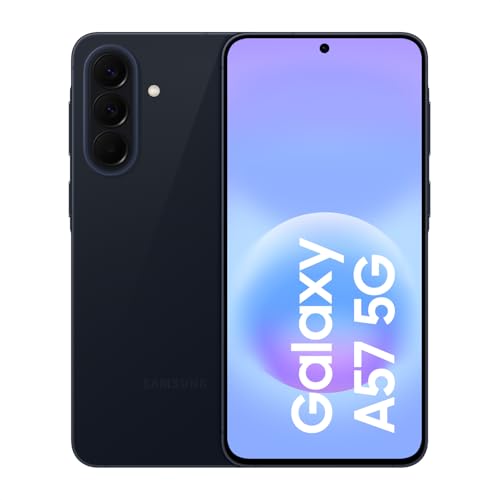
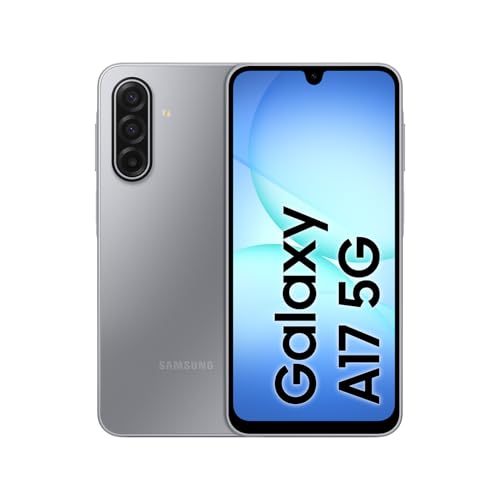
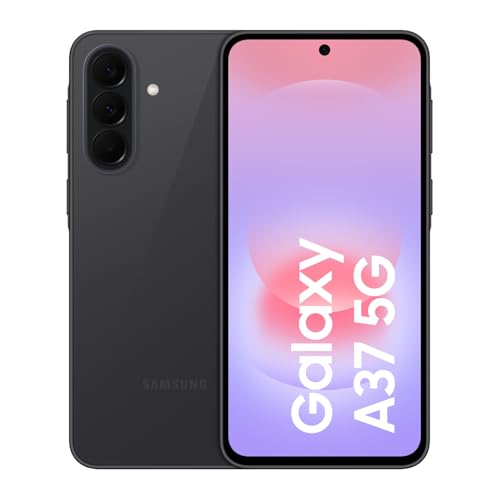
Popular mid-range: Samsung Galaxy A
Ad All products linked with "View offer" are commission (affiliate) links: if you buy through them, we earn a commission – the price stays the same for you. As an Amazon Associate and eBay Partner Network affiliate we earn from qualifying purchases. Learn more
 Ad−36%
 Ad
Ad Ad−36%
 Ad
AdCamera: megapixels are not everything
High megapixel counts such as 108 or 200 MP look impressive on the spec sheet but say little about image quality. What matters is sensor size, lens aperture, optical image stabilisation and, above all, software image processing. A 50 MP sensor with good software often delivers better results than a 200 MP sensor in an entry-level device.
Look at the number of useful cameras: a main camera plus ultra-wide is standard. A true telephoto lens for low-loss zoom is found almost exclusively in the flagship class. Extra 2 MP macro or depth cameras on cheap devices add little value.
Size and handling
When comparing, look not only at the screen size but also at weight and width. A 6.7-inch device often weighs over 200 grams and is hard to use with one hand. If you want a handy smartphone, the standard models from Apple, Samsung and Google come in at around 6.1 to 6.3 inches. Flip-style foldables are especially compact when closed. It helps to hold a device in a shop before buying, as spec sheets convey size and grip only poorly.
Mobile network, features and protection
5G is standard on new smartphones from the mid-range upwards and widely rolled out on the major providers’ networks. More important than the 5G logo is that the device supports the frequencies used in Germany – watch out for this with imported devices. An eSIM makes switching providers easier and enables dual SIM without inserting a second card.
You need NFC for contactless payments with Google Pay or Apple Pay and for some digital ID functions. Water and dust protection to IP67 or IP68 protects against rain and a brief drop into water; it is now common in the mid-range, while entry-level devices often only have splash protection. Wireless charging is convenient but usually slower than wired charging and mainly found in the flagship class.
- NFC for mobile payments
- IP67/IP68 for protection against water and dust
- eSIM for flexible provider switching and dual SIM
- microSD slot if you want to expand storage cheaply
- Wireless charging as a convenience extra
Updates and new EU rules
Software updates are the most important yet most often overlooked point. Without security updates, a smartphone becomes vulnerable over time – critical if you use it for online banking or payments. Google promises seven years of updates for Pixel models from the Pixel 8 onwards, Samsung up to seven years for current Galaxy S models, and Apple has in practice supported iPhones for a similarly long time.
Since 20 June 2025, the EU Ecodesign Regulation for smartphones and tablets has applied. For newly launched models, manufacturers must, among other things, provide operating system updates for at least five years after the end of sales, supply spare parts for many years and offer batteries that still retain at least 80% capacity after 800 charge cycles. At the same time, an energy label was introduced that shows not only the efficiency class but also battery life, charge cycles, drop resistance, IP rating and a repairability class from A to E.
Also important: since 28 December 2024, new smartphones in the EU must have a USB-C charging port. Many devices no longer come with a charger – you can keep using an existing USB-C charger; for fast charging, it should support USB Power Delivery.
- Check the manufacturer’s update commitment before buying
- Energy label: compare battery life and repairability class
- USB-C is mandatory, a charger is often not included
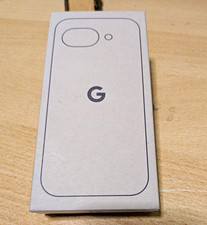
Long update commitment: Google Pixel
Ad All products linked with "View offer" are commission (affiliate) links: if you buy through them, we earn a commission – the price stays the same for you. As an Amazon Associate and eBay Partner Network affiliate we earn from qualifying purchases. Learn more
 Ad
Ad Ad
Ad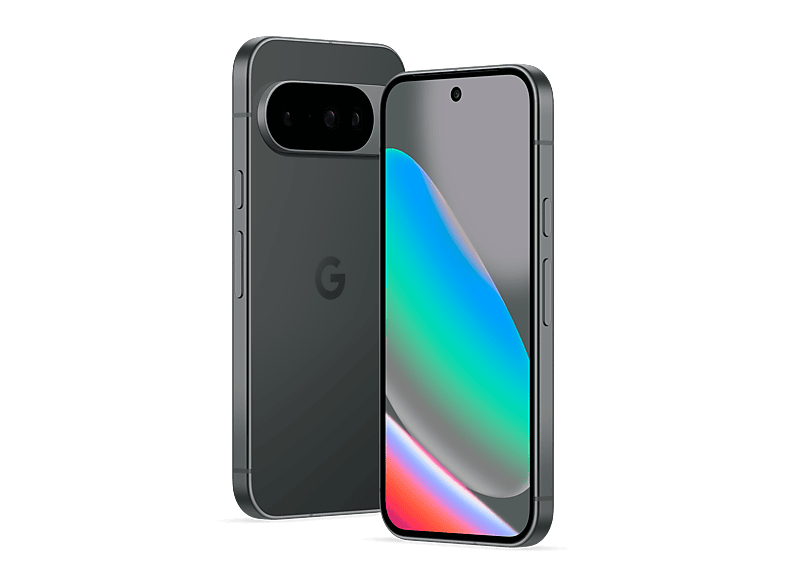 Ad
Ad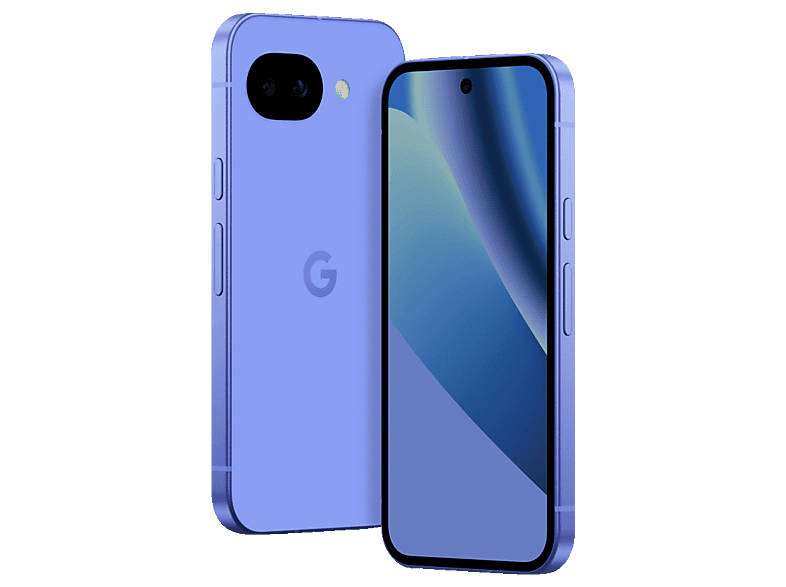 Ad
AdNew, refurbished or last year’s model?
Smartphones lose value quickly in the first months after launch. Last year’s flagship is therefore often the best deal: it offers more performance and a better camera than a new mid-range device and will still get updates for a long time. Refurbished devices from a retailer with statutory warranty are cheaper still. The price history on wohandy.de shows whether a current price is good or whether it pays to wait.
Refurbished by the retailer
Ad All products linked with "View offer" are commission (affiliate) links: if you buy through them, we earn a commission – the price stays the same for you. As an Amazon Associate and eBay Partner Network affiliate we earn from qualifying purchases. Learn more
 Ad−51%
 Ad−42%
 Ad−6%
Ad−6% Ad
AdQuick checklist before you buy
Once you have answered the following points, usually only two or three models remain. Then price, design and how the device feels in your hand decide.
- Set a budget and include last year’s models
- Update commitment: at least four to five more years
- Storage: at least 128 GB, rather 256 GB without a card slot
- Display: OLED at 90 or 120 Hz if the budget allows
- Camera: telephoto only if you really zoom
- Energy label: compare battery life and repairability
FAQ
How much RAM does an Android phone need?
6 to 8 GB of real RAM is comfortable, 4 GB the minimum. Virtual RAM does not count as equivalent.
How long must a new phone get updates?
For models newly placed on the EU market since 20 June 2025, the Ecodesign Regulation requires operating system updates for at least five years after the end of sales. Many manufacturers also promise fixed periods beyond that.
What does the smartphone energy label show?
Efficiency class, battery life per charge, charge cycles, drop resistance, IP rating and a repairability class from A to E.
Do lots of megapixels matter?
No. Sensor size, image stabilisation and software are more important. Extra 2 MP cameras add little value.
Do new phones come with a charger?
Often not. An existing USB-C charger works; for fast charging, it should support USB Power Delivery.